Case Study
How an AI Voice Agent Transformed Patient Intake: Saving $40 Per Customer While Improving Care
September 1, 2024
The Challenge
Peakheath needed to gather detailed health and lifestyle information about patients' gym habits, diets, and sleep patterns to help their medical team provide better care. Traditional intake methods were expensive, time-consuming, and often made patients uncomfortable to share personal lifestyle details.
The Outcome
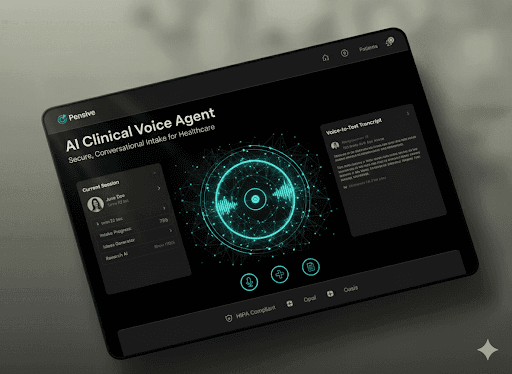
We built an AI-powered voice intake system utilizing Vapi that conducts natural, empathetic conversations with patients—gathering comprehensive lifestyle data while keeping interactions brief and non-judgmental.
The Impact
Saved $40 per customer in intake costs
Increased user sentiment - patients felt the experience was premium and tailored
Improved care quality by gathering more honest lifestyle data
Created a safer space for patients to discuss sensitive health habits
THE STORY
The Problem: The Hidden Cost of Human Intake
Peakheath's medical team needed deep lifestyle data to provide personalized care - exercise habits, dietary patterns, sleep quality. But human-led intake calls were expensive, inconsistent, and surprisingly ineffective. Patients often felt judged discussing their imperfect habits with healthcare workers, leading to incomplete or inaccurate data.
Engineering Natural Conversation
The biggest challenge wasn't making the AI smart—it was making it feel human enough that patients wouldn't hang up while remaining efficient enough to respect their time.
Key breakthroughs included:
Natural Flow Design: Creating conversation patterns that felt organic rather than scripted. The AI learned to acknowledge responses, ask follow-ups naturally, and know when to move on.
The "Perfect Caller" Framework: The AI needed to be:
Warm but not overly friendly
Professional but not clinical
Curious but not intrusive
Efficient but not rushed
Anti-Hangup Engineering: Specific techniques to keep users engaged:
Opening that immediately explained value
Dynamic pacing based on user responses
Natural acknowledgments and transitions
Never making users repeat themselves
The Technical Implementation
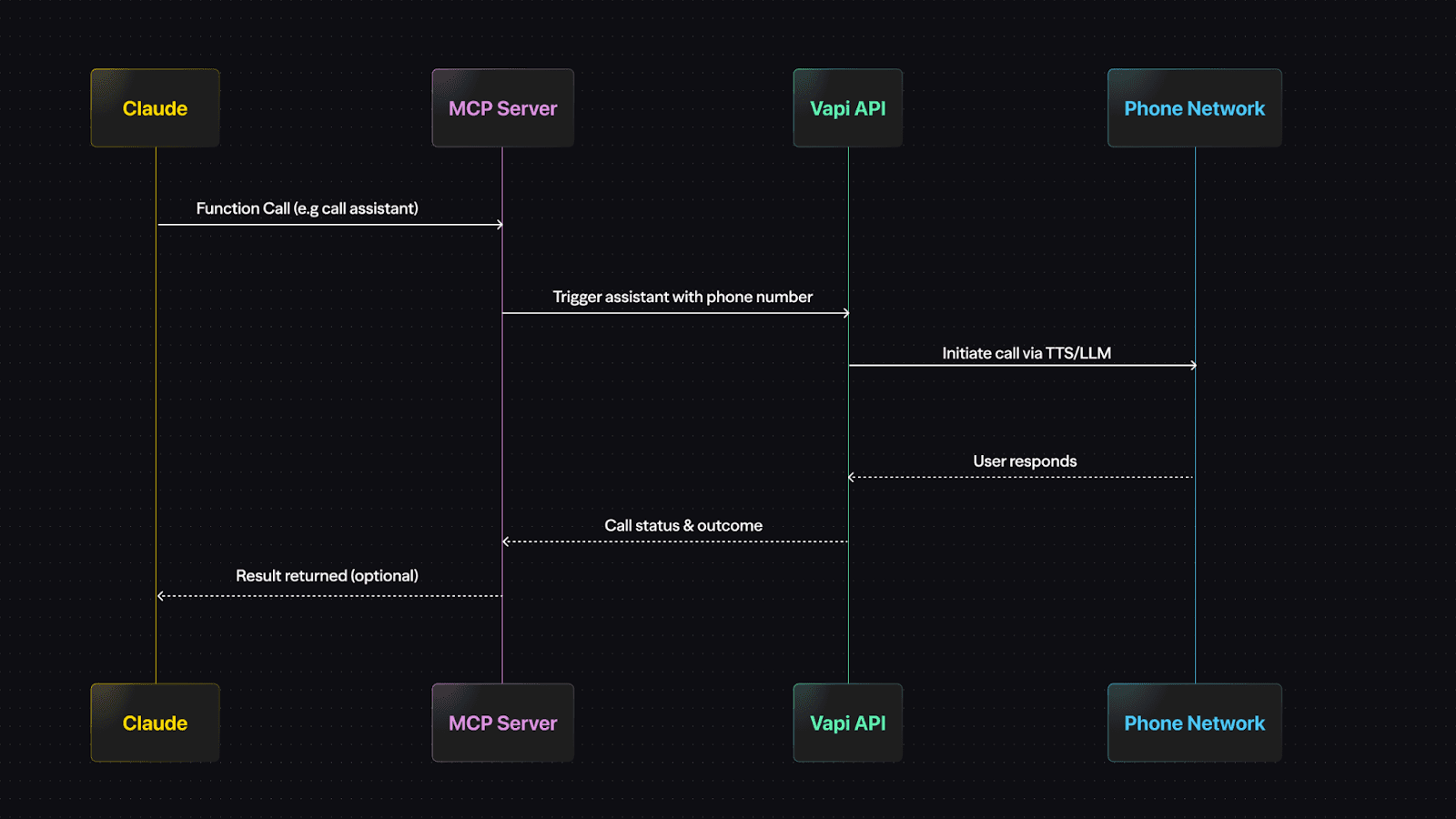
Using Vapi's voice AI platform, we built an intake system that:
Adapted conversation flow based on patient responses
Detected emotional cues to adjust tone
Gathered structured data while maintaining natural dialogue
Completed comprehensive intake in under 10 minutes
The Unexpected Win: Psychology Over Technology
The AI created something human callers couldn't: a truly non-judgmental space. Patients were more honest about skipping workouts, eating habits, and sleep problems when talking to AI versus humans. This psychological safety led to better data and ultimately better care.
Measurable Results
40% reduction in intake costs ($40 saved per patient)
Higher completion rates than human-led calls
Improved data quality with more honest lifestyle reporting
Premium experience perception despite lower costs
Key Learning: Voice AI That Actually Works
This project revealed that successful voice AI isn't about perfect speech recognition or complex logic—it's about understanding human psychology and conversation dynamics. The best AI conversations are ones where users forget they're talking to AI.